


Top Signs You Need Roofline Component Repairs

Your roofline plays a crucial role in protecting your home from weather damage and maintaining its overall appearance. Roofline components include gutters, fascias, soffits, and bargeboards. When these parts start to fail, they can lead to costly repairs and even structural damage if left unattended. Recognizing the early signs of wear and tear can save you time, money, and stress.
This post will guide you through the most common signs that indicate your roofline components need repairs. Understanding these signs will help you take timely action and keep your home safe and looking its best.

What Are Roofline Components?
Before diving into the warning signs, it’s helpful to know what roofline components are and why they matter.
Fascias: These are the vertical boards running along the edge of your roof. They support the gutters and protect the roof’s edge.
Soffits: Located underneath the eaves, soffits allow ventilation to the roof space and prevent moisture buildup.
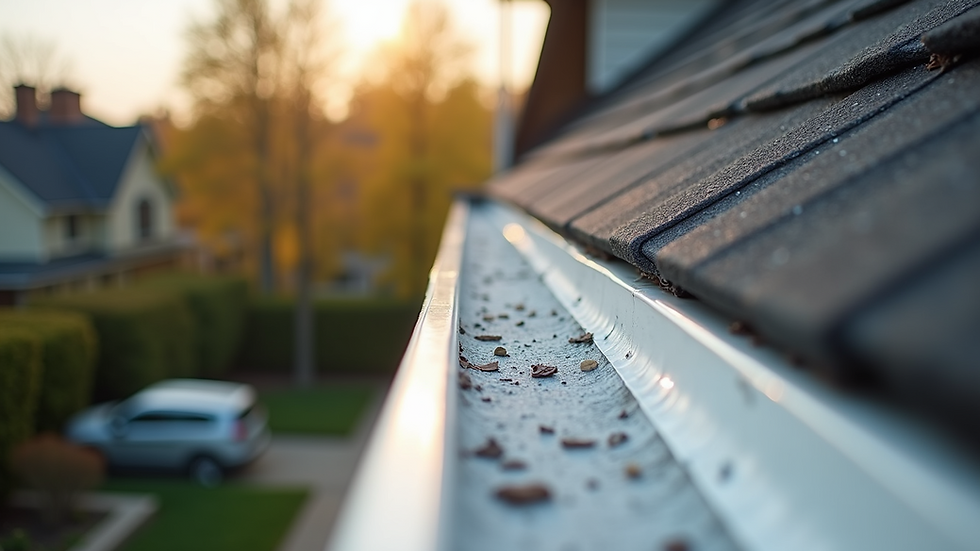
Gutters: These channels collect rainwater and direct it away from your home’s foundation.
Bargeboards: These are the boards fixed to the gable ends of your roof, protecting the roof timbers and adding to the home’s aesthetic.
Each part works together to protect your home from water damage, pests, and weather exposure. Damage to any of these components can compromise your roof’s integrity.
Signs of Damage to Fascias and Soffits
Fascias and soffits are often made of wood or PVC. Both materials can show signs of damage over time, but wood is more prone to rot and insect damage.
Peeling or Cracking Paint
If you notice paint peeling or cracking on your fascias or soffits, it could be a sign of moisture damage. Moisture causes wood to swell and paint to lose adhesion. This damage can lead to wood rot if not addressed.
Soft or Rotten Wood
Press gently on the fascia or soffit boards. If the wood feels soft or crumbles easily, it indicates rot. Rotten wood loses its strength and can no longer protect your roof’s edge.
Gaps or Sagging Boards
Look for gaps between the fascia and soffit or sagging boards. These gaps allow water and pests to enter the roof space, causing further damage.
Insect Infestation
Wooden roofline components can attract wood-boring insects like termites or carpenter ants. Look for small holes, sawdust, or insect trails.
Signs of Gutter Problems
Gutters are essential for directing rainwater away from your home. When gutters fail, water can pool around your foundation, causing serious issues.
Overflowing or Leaking Gutters
If water spills over the sides during rain, your gutters may be clogged or damaged. Leaks can also occur where gutter joints separate or holes develop.
Rust or Corrosion
Metal gutters can rust over time, especially if paint or protective coatings wear off. Rust weakens gutters and leads to leaks.
Sagging Gutters
Gutters should slope slightly to direct water toward downspouts. If gutters sag or pull away from the fascia, water will not drain properly.
Water Damage Below Gutters
Check for water stains or damp patches on walls or foundations below gutters. This indicates water is escaping and causing damage.
Signs of Bargeboard Damage
Bargeboards protect the edges of your roof and add to your home’s curb appeal. Damage here can expose roof timbers to the elements.
Cracks or Splits
Visible cracks or splits in bargeboards allow water to penetrate and cause rot.
Loose or Missing Boards
Strong winds or storms can loosen bargeboards. Missing boards leave roof edges exposed.
Faded or Peeling Paint
Like fascias, bargeboards with peeling paint may be suffering from moisture damage.
Why Timely Repairs Matter
Ignoring roofline damage can lead to bigger problems:
Water damage inside walls and ceilings
Mold and mildew growth due to trapped moisture
Pest infestations in roof spaces
Structural damage to roof timbers
Increased energy bills from poor ventilation
Repairing roofline components early prevents these issues and extends the life of your roof.
How to Inspect Your Roofline
Regular inspections help catch problems early. Here’s how to check your roofline safely:
Use binoculars to inspect from the ground for visible damage.
Check gutters for blockages and leaks.
Look under eaves for signs of rot or insect damage.
After storms, inspect for loose or missing boards.
Schedule professional inspections every few years.
Repair Options for Roofline Components
Depending on the damage, repairs can range from simple fixes to full replacements.
Repainting can protect wood from moisture.
Replacing rotten wood prevents spread of damage.
Fixing or replacing gutters ensures proper drainage.
Sealing gaps keeps out pests and water.
Installing ventilation in soffits improves airflow.
Professional roofers can assess the damage and recommend the best course of action.
When to Call a Professional
If you notice any of these signs or feel unsure about the condition of your roofline, contact a roofing specialist. Professionals have the tools and experience to safely inspect and repair roofline components.
DIY repairs can be risky and may not address underlying problems. A professional will ensure repairs last and protect your home effectively.
Keeping your roofline in good condition is essential for protecting your home and maintaining its value. Watch for signs like peeling paint, soft wood, sagging gutters, and cracked bargeboards. Regular inspections and timely repairs will save you money and stress in the long run.
If you suspect your roofline needs attention, don’t wait. Schedule an inspection with a trusted roofing professional today to keep your home safe and sound.

Comments